Gentle Mobility Routines to Support Joint Health
Ease stiffness and nourish cartilage with simple, low-impact mobility routines that improve range of motion, circulation, and daily comfort.
Foundations of Gentle Mobility
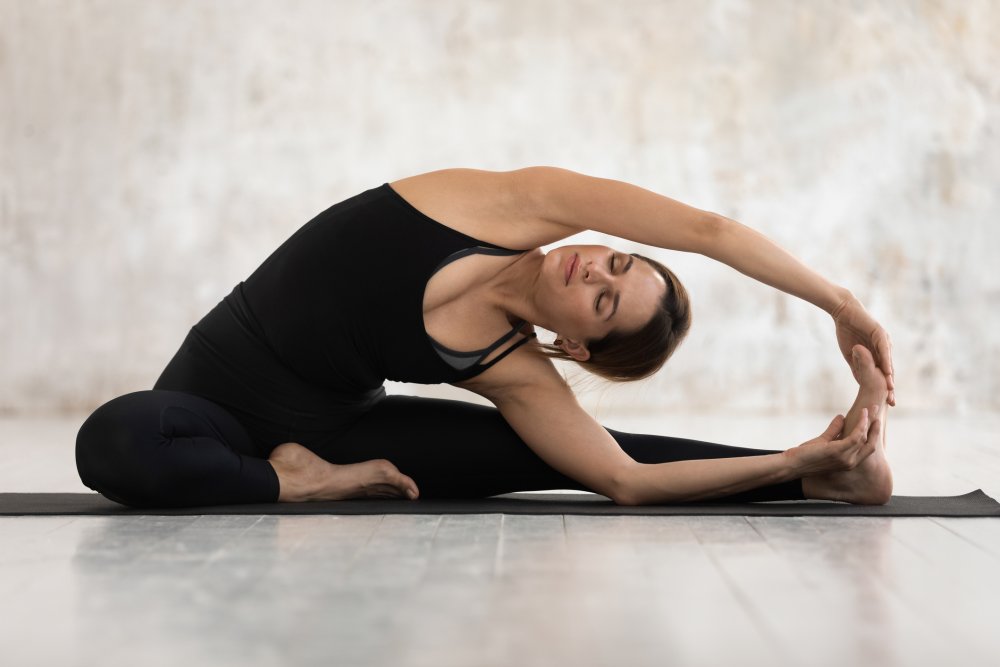
Gentle mobility is the art of moving joints through a comfortable range of motion with control, intention, and patience. Unlike aggressive stretching or high-impact workouts, gentle mobility prioritizes the health of your cartilage, ligaments, and connective tissues by encouraging circulation, nourishing synovial fluid, and keeping joints resilient. Think of it as quiet upkeep for your frame, helping you sit, stand, reach, and walk with less stiffness and more ease. It also trains your nervous system to feel safe in new positions, reducing protective tension that can limit movement. With slow, rhythmic repetitions and attentive breathing, you gently increase motion without provoking irritation. Over time, this builds both stability and flexibility, two pillars of strong joint health. Whether you are easing back into activity or rounding out a training plan, consistent low-intensity practice fosters better posture, smoother coordination, and confident daily movement. Start where you are, move how you feel, and let steadiness, not strain, guide your progress.
Warm-Up and Mindful Preparation
Before any routine, take a few minutes to prepare tissues and focus the mind. Begin with relaxed, nasal breathwork: a slow inhale that expands the ribs and a longer exhale that softens the neck and jaw. This calms the system and invites muscle release. Next, do light tissue prep with your hands: gentle rubbing of the forearms, upper arms, thighs, and calves to boost warmth and awareness. Move into small joint circles for wrists, elbows, shoulders, hips, knees, and ankles, using a pain-free range and smooth pacing. Imagine drawing tiny circles that gradually grow as comfort increases. Keep your core softly engaged to support the spine, and avoid locking the elbows or knees. If a motion feels pinchy, reduce the arc or change direction. Props like a cushion or chair offer stability without strain. Throughout, maintain mindful control, steady breathing, and an exploratory curiosity. A thoughtful warm-up is a quiet invitation to move better, not a test to pass.
Neck and Shoulder Flow
For the neck and shoulders, the goal is to ease tension while refining motor control. Start seated or standing tall, lengthening through the crown of the head. Try gentle yes and no nods, then side-to-side tilts, moving slowly while keeping the chin slightly tucked to support cervical alignment. Follow with small, deliberate scapular glides: shoulders up, back, down, and forward, tracing a smooth square. Add shoulder circles with elbows bent to focus on the joint rather than arm momentum. For the chest and upper back, clasp hands lightly behind you or rest them on your ribs; breathe wide into the sides of your torso to open the thoracic area. Finish with controlled shoulder external and internal rotations, keeping elbows close to the body. Maintain a pain-free range, emphasizing smoothness over depth. Visualize spaciousness across the collarbones and softness at the base of the skull. With each repetition, synchronize movement and breath, inviting supple mobility and durable stability in equal measure.
Spine and Hip Sequence
A supple spine and mobile hips help distribute load evenly, protecting knees, ankles, and the lower back. Begin with slow pelvic tilts while lying on your back or standing, exploring anterior and posterior positions to find neutral. Move to cat-cow on hands and knees, articulating one vertebra at a time; avoid dumping weight into the wrists by pressing the floor away. Add controlled thoracic rotations, threading the needle gently to nourish the mid-back. For the hips, try seated 90-90 transitions, pausing to breathe at end ranges and noticing differences side to side. Follow with hip CARs—controlled articular rotations—standing or on the floor, keeping the torso quiet as the hip draws a slow circle. Finish with a short figure-four hold or low lunge pulses, focusing on positional breathing and light tension rather than forcing depth. Quality matters more than quantity. Imagine polishing the hinges of your body, cultivating balanced mobility, strength, and attentive coordination.
Knees, Ankles, and Feet Care
Healthy knees depend on cooperative hips and ankles, so address the whole chain. Start seated ankle circles in both directions, then trace the alphabet with your toes to vary angles of dorsiflexion and plantarflexion. Add gentle ankle rocks against a wall or chair, keeping the heel down to encourage smooth dorsiflexion without collapse. For knees, perform slow, unloaded flexion and extension while lightly engaging the quadriceps and hamstrings; imagine the shin and thigh sliding cleanly. Practice standing heel raises and slow lowers to strengthen the calves and improve ankle control. On a stable surface, explore tibial rotation by softly turning the shin in and out with the knee slightly bent, staying within a comfortable range. Conclude with simple foot mobility: spread the toes, press the big toe and little toe, and find the tripod—base under big toe, little toe, and heel. These small, deliberate actions enhance balance, stability, and resilient joint mechanics from the ground up.
Daily Micro-Movements and Habits
Consistency turns mobility into a living habit. Instead of long, occasional sessions, layer short bouts of micro-movements throughout the day. While the kettle warms, do neck nods and shoulder glides. Between messages, add wrist circles and a spine reach and rotate. During TV time, explore ankle ABCs or hip 90-90 transitions on the floor. Pair mobility with existing routines—after brushing teeth, perform two minutes of breath-led cat-cow; before bed, gentle pelvic tilts and toe spreads. Use environmental cues: keep a cushion by the sofa, a tennis ball under your desk, or a sticky note that says move kindly. Treat posture as a practice of frequent resetting rather than one perfect position. Aim for effortless, repeatable sets, prioritizing comfort and curiosity. Track how you feel—less stiffness, smoother steps, easier turning. Small, regular inputs signal the body to adapt, reinforcing a calm, capable baseline of joint health without overwhelming time or energy.
Recovery, Consistency, and Gentle Progression
Recovery cements the benefits of your routine. Hydrate, breathe deeply, and give tissues time to adapt. Light walks, easy rocking, or a warm shower can enhance circulation without fatigue. Respect the difference between productive soreness and sharp pain; soreness eases with movement and breath, while pain asks for modification or rest. Progress by changing one variable at a time: add a few reps, extend a hold by a breath or two, or increase time under tension with slower tempos. You can also progress complexity, moving from seated to standing variations, or from supported to lightly balance-challenging positions. Keep a simple check-in: How does this joint feel before, during, and after practice? Let answers guide decisions. Consistency outperforms intensity, especially for long-term joint health. With patience, you will notice steadier posture, clearer movement pathways, and improved confidence. The journey is cumulative—small, kind efforts layered day after day create durable, graceful mobility.