Home Gym Essentials on Any Budget
Build a flexible, effective home gym at any price point. Here are smart, space-saving essentials, budget tiers, and tips to get the most from every dollar.
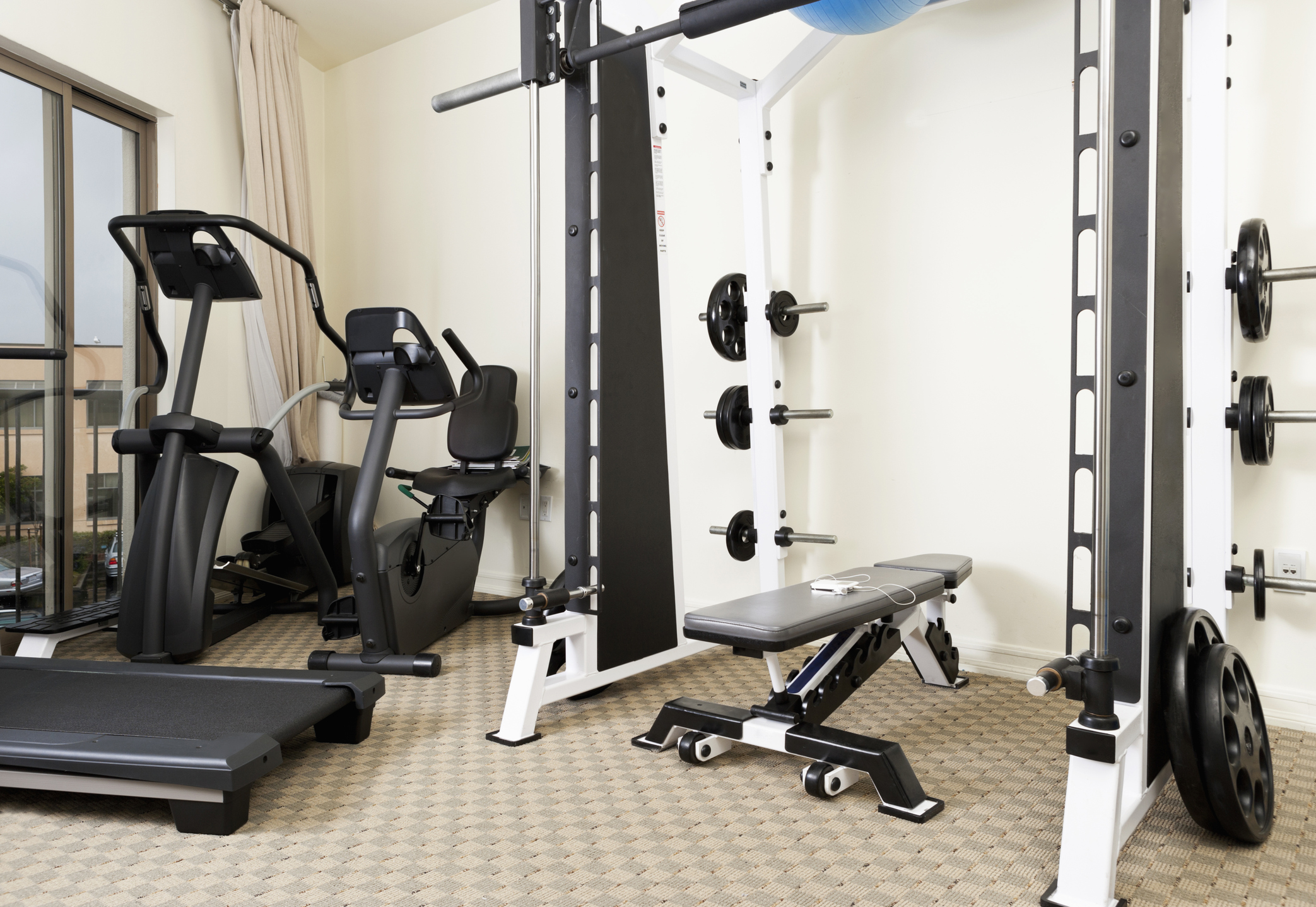
Start Smart With Space and Goals
The best home gym begins with clarity, not gear. Define your goals — strength, conditioning, mobility, or general fitness — and translate them into the movement patterns you will train, like squats, hinges, pushes, pulls, and carries. Measure your space, note ceiling height and safe floor clearance for lunges or overhead work, and identify a stable area for a mat. Decide on a realistic budget tier, from no-cost bodyweight to small investments that expand options over time. Prioritize multiuse tools that offer full-body training and easy storage, and map where they will live to keep the area uncluttered. Good lighting, ventilation, and a non-slip surface make your setup inviting and safe. Build a simple weekly rhythm you can keep: brief warm-ups, focused strength or circuit blocks, and short finishers. Track sessions with reps, sets, or perceived effort so you can apply progressive overload gradually. A smart plan aligned with space, time, and goals turns any corner into a capable training zone.
Foundational Equipment Under Any Budget
On a tight budget, combine bodyweight training with a few affordable anchors. A quality exercise mat protects joints and marks your training footprint. Resistance bands add scalable load for rows, presses, squats, and mobility, while a jump rope delivers potent conditioning with minimal space. If you can add one loadable tool, choose a kettlebell or a pair of dumbbells you can press, squat, hinge, and carry. Use household items creatively — a backpack with books becomes a weighted pack, and towels or sliders create challenging core and hamstring drills. Progress without new purchases by manipulating tempo, range of motion, unilateral variations, pauses, and reduced rest times. Focus on crisp technique: neutral spine on hinges, full-foot pressure on squats, and stable shoulders during presses. Rotate movements to cover push, pull, knee-dominant, hip-dominant, and core work. This humble toolkit builds strength, endurance, and mobility while proving that consistency matters more than a crowded equipment list.
Mid-Range Upgrades for Versatility
With a bit more to invest, target versatility and safety. An adjustable bench unlocks pressing angles, step-ups, hip thrusts, and supported rows. A sturdy pull-up bar or suspension trainer multiplies vertical pulling and core options without taking floor space. Adjustable dumbbells or a modular kettlebell expand loading without a large footprint, and a sandbag offers functional, grip-intensive lifts that challenge stability. Protect floors and dampen noise with rubber tiles or interlocking mats. Consider a compact storage rack or wall hooks so gear is easy to access and put away, reinforcing daily use. If space allows, a slim barbell with a few plates elevates progressive loading on squats, deadlifts, and presses; if not, pair heavier dumbbells with slower tempos to mimic stimulus. A simple timer or clock supports intervals and rest management, and a basic heart rate check keeps conditioning honest. Choose durable, multi-purpose items so every dollar stretches across more movements and training phases.
Programming That Delivers Results
Thoughtful structure turns gear into gains. Aim for full-body sessions two to four times per week, or a push pull legs split if you prefer variety. Open with mobility and activation, then sequence power or speed work before primary compound lifts. Follow with assistance moves that target weak links, and finish with focused conditioning or carry variations. Progress using reps, small load increases, improved tempo control, stricter range of motion, or denser sessions with the same total work in less time. Use effort guides like RPE to balance challenge with form quality, leaving a rep or two in reserve on most sets. Plan light deload weeks when fatigue accumulates. Track a few key lifts, a work capacity marker like a timed circuit, and recovery indicators such as sleep quality. Keep rest periods purposeful, practice consistent warm-ups and cooldowns, and rotate exercise variations to stay fresh while honoring the principles of progressive overload and specificity.
Sustain the Habit and Keep Improving
Long-term success relies on consistency, environment, and feedback. Make your space inviting with clear floors, ready-to-grab equipment, and a ritual that marks the start of training. Set process goals, like sessions per week or total weekly sets, and celebrate small wins such as better form or an extra rep. Keep a simple log to spot trends and adjust volume before plateaus or aches set in. Balance hard efforts with recovery through sleep, hydration, and light mobility on rest days. Maintain gear by wiping down surfaces, checking anchors, and protecting flooring to extend lifespan and preserve safety. Stretch your budget by buying only what solves a training bottleneck, and prefer items that serve multiple roles. Vary conditioning with intervals, steady efforts, or loaded carries to maintain engagement. When life gets busy, shorten sessions but protect frequency. A resilient routine that adapts to time, space, and energy keeps your home gym delivering results for the long run.