Mobility Matters: Daily Stretches for Better Performance
Unlock better performance with a 10-minute daily mobility routine. Improve range of motion, reduce aches, and move stronger from warm-up to cooldown.
Why Mobility Matters
In sports and fitness, mobility is the engine behind efficient movement, supporting greater range of motion, cleaner technique, and durable injury prevention. Unlike passive flexibility, mobility blends strength, control, and joint stability, so your body can access positions and produce force without compensation. Improved shoulder mobility tidies up your press and swing path; freer hips reduce stress on the knees and lower back; supple ankles enhance dorsiflexion for deeper, safer squats and more explosive sprints. A brief daily routine stimulates blood flow, nourishes cartilage, and fine-tunes neuromuscular coordination, acting like a high-return maintenance plan for your body. Think of it as prehab that elevates performance while reducing downtime. The key is consistency and intention: breathe, move slowly, and stay within a comfortable challenge. Over time, small, frequent sessions compound into resilient tissues and better mechanics, giving you smoother warm-ups, more balanced posture, and the capacity to train harder with confidence.
A Simple Daily Flow You Can Repeat
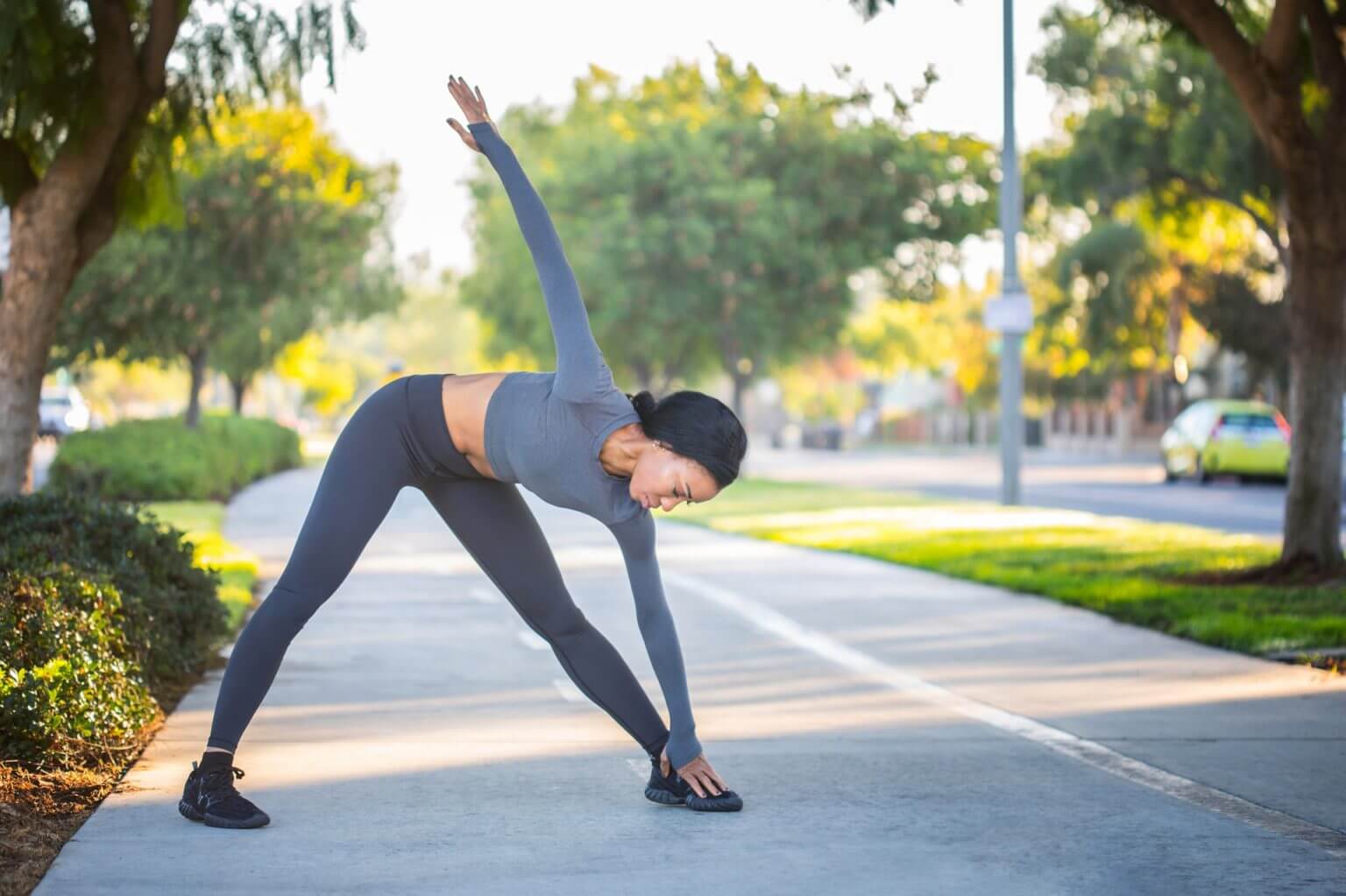
A repeatable dynamic stretching flow primes the entire body in minutes. Start with gentle neck nods and turns to release tension, then perform slow shoulder circles and scapular control drills to prepare presses and pulls. Add thoracic spine rotations with a stable pelvis to wake up the mid-back, followed by hip circles and controlled 90/90 transitions to cue external and internal rotation. Continue with leg swings front-to-back and side-to-side, staying tall to avoid lumbar compensation, and finish with ankle rolls and knee-over-toe glides for dorsiflexion. Keep movements smooth, emphasizing breathwork—inhale to create space, exhale to deepen control. Two to three sets of focused, unhurried reps beat rushed quantity. This flow fits before lifting, a run, or a court session, and also serves as a midday reset for desk-bound bodies. The goal is a light sweat, improved joint awareness, and a feeling of readiness, not fatigue, so you can transition seamlessly into your main training.
Unlock the Posterior Chain for Efficiency
Your posterior chain—calves, hamstrings, glutes, and spinal erectors—drives sprinting, jumping, and strong hinges. Begin with a hip-hinge stretch using a neutral spine: push the hips back, lengthen the hamstrings, and keep ribs stacked over pelvis to avoid rounding. Flow into a runner's lunge with a gentle thoracic rotation, opening hip flexors while teaching the upper body to rotate independently. Add a figure-four or pigeon modification to target deep glute tissue, then include a calf wall stretch with a soft knee to access both gastrocnemius and soleus. Light nerve glides—slowly straightening and bending the leg while the ankle flexes—encourage sliding rather than pinching. Keep tension below discomfort, using a steady exhale to reduce guarding. The payoff is smoother hip extension for deadlifts, stronger toe-off when accelerating, and more elastic rebounding. Over time, these drills enhance tissue tolerance, refine your hinge mechanics, and translate into crisper, more efficient power on the field and in the gym.
Hips and Ankles: Your Power Hinges
For explosive cuts, deeper squats, and stable landings, prioritize hip rotation and ankle dorsiflexion. Practice 90/90 hip switches, keeping the chest tall and moving deliberately between internal and external rotation to uncover sticky angles. Follow with a low cossack squat, holding a support for balance while driving the knee over the toes and sitting into the adductors; this builds useable lateral range and control. A gentle couch-style hip flexor opener helps counter long sitting, while you keep the glute of the trailing leg engaged to avoid lower-back compensation. For ankles, try knee-to-wall drills and small-step loaded calf raises, focusing on slow eccentrics to build resilient end ranges. Cue alignment: knee tracks the second toe, foot tripod stays grounded, spine remains long. These habits translate to cleaner squats, tighter turns, and more ground contact time where it matters. When hips and ankles cooperate, force transfers efficiently, boosting agility, balance, and confident acceleration.
Build a Habit That Lasts
Mobility thrives on consistency, not marathon sessions. Anchor a 10–15 minute circuit to existing habits—after your warm-up, post-run, or as a wind-down—to make practice automatic. Use autoregulation: on heavy training days, emphasize gentle flows; on lighter days, explore deeper positions and add brief isometric holds to strengthen end ranges. Track progress with simple self-assessment markers: deeper squat depth without heels lifting, smoother overhead reach without rib flare, or pain-free split-stance stability. Pair movement with calm breathwork to reduce tension and signal safety to the nervous system. Celebrate small wins, because sustainable change comes from accumulated reps. If a position provokes sharp pain, regress the angle, add support, or shorten the lever; productive mobility feels challenging but controlled. Over weeks, you'll notice easier warm-ups, efficient technique, and quicker recovery. Keep it light, repeatable, and purposeful, and your everyday performance will steadily rise.