Savor the Journey: The Art of Slow Travel
Discover the joy of moving deliberately: connect deeper, spend wiser, and make every mile meaningful with the mindful practice of slow travel.
Embrace the Pace
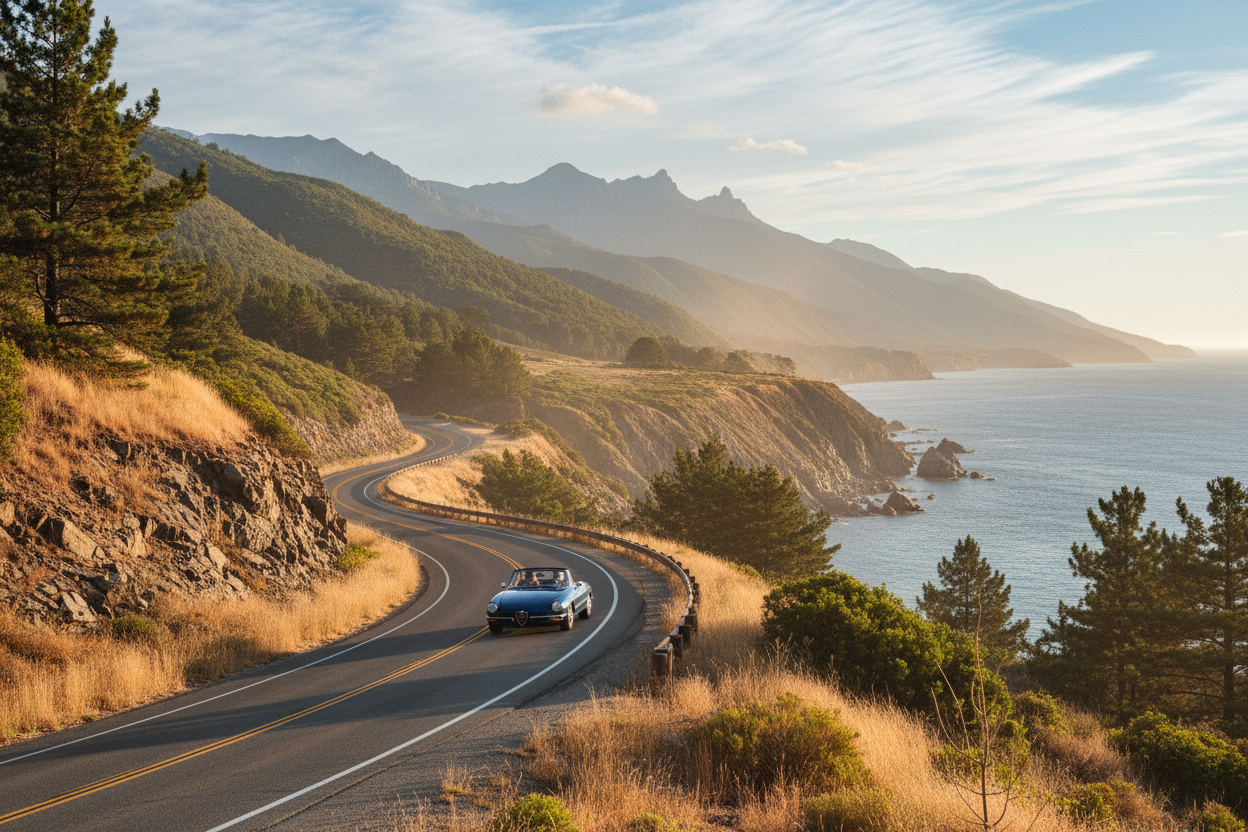
Slow travel is the choice to value depth over distance, savoring the spaces between highlights and letting a destination unfold at a human rhythm. Instead of sprinting through checklists, you create room for curiosity, allowing small details to become meaningful discoveries. A slow day might begin with a lingering coffee, a stroll through a quiet neighborhood, and time to notice the smell of fresh bread or the cadence of local conversation. With slow travel, you trade urgency for presence, finding that unstructured hours often lead to unplanned joys. This approach reduces stress, lowers decision fatigue, and heightens appreciation for culture, craft, and landscape. It also encourages thoughtful pacing: fewer moves, longer stays, and gentle transitions that protect energy and improve awareness. By attending to rhythm and routine, you learn to relish small rituals and welcome surprises. The journey becomes a practice in mindfulness, where attention is the primary itinerary and every moment has the potential to feel like the point of arrival.
Travel as Connection
At its heart, slow travel is about connection: to people, place, and the stories that bind them. When you linger, everyday encounters become invitations to learn. A greeting at the bakery leads to a tip about a courtyard performance; a chat at a market reveals seasonal specialties and family traditions. You might pick up a few phrases in the local language, not perfectly, but with sincerity that opens doors to hospitality and shared understanding. Rather than collecting sights, you collect relationships, shaped by eye contact, patience, and respect. Attend a neighborhood gathering, appreciate street musicians, and support artisans whose craft carries regional identity. Ask thoughtful questions, listen without rushing to respond, and say thank you with genuine warmth. The reward is a richer sense of belonging, as if the destination has made space for you. In this slower cadence, storytelling replaces spectacle, and memory takes root in human moments that guide the way you see the world.
Designing a Slow Itinerary
A slow itinerary begins with restraint: choose fewer bases and extend each stay to unlock a neighborhood's texture. Opt for a walkable area with cafés, parks, and markets, then plan a simple daily rhythm anchored by two or three meaningful activities. Leave buffers for rest and serendipity, resisting the urge to fill every hour. Select lodging that reflects local character, such as family-run guesthouses or apartments near public squares, where routines naturally emerge. Pack light to stay nimble, and balance big-ticket experiences with free, open-ended time outdoors. Consider seasonal rhythms, market days, and cultural calendars to align your pace with local life. Build routes around public transit, cycling, or walking to experience subtle changes in scenery and mood. Keep a flexible budget that favors quality over quantity, investing in workshops, tastings, or guided walks led by residents. Above all, prioritize intention: let your plans be sturdy enough to guide you yet spacious enough to welcome surprise.
Savoring Local Flavors
Food is the vocabulary of place, and slow travel speaks it fluently. Begin at the market, where seasonal produce, regional cheeses, and neighborhood chatter tell a living story. Ask vendors how they enjoy their ingredients, try a new herb, and notice how terroir shapes flavor. Seek small eateries where menus evolve with what is fresh, and linger over meals that encourage conversation rather than haste. Take a cooking class or watch a baker at dawn to appreciate the rhythms behind beloved dishes. When possible, choose spots that highlight farm-to-table practices and celebrate local producers, reinforcing a more sustainable food chain. Bring curiosity to the table: learn the etiquette of sharing plates, toast with new friends, and respect the rituals that frame a meal. Save time for a simple picnic in a park, where the setting becomes part of the taste. In this slower mode, dining turns into culture, nourishment, and memory all at once.
Mindful Movement and Mobility
How you move shapes how you feel. Favor trains, ferries, bicycles, and walking paths that reveal the character of a landscape at a livable speed. The window seat on a local public transit line becomes a moving classroom, showing neighborhoods knit together by routine. Cycling along a river, pausing for a viewpoint, or choosing a detour through a small village builds a sense of discovery while keeping your environmental footprint lighter. Embrace active travel tools like day packs and comfortable shoes, and be generous with travel buffers so delays become opportunities rather than setbacks. When renting a car, use it sparingly and plan scenic routes that welcome pauses for farm stands or lookouts. Mindful movement emphasizes safety, presence, and serendipity, treating each leg of the trip as an experience rather than a hurdle. By traveling at a humane pace, you sharpen observation, deepen patience, and invite landscapes to leave an imprint that endures beyond the journey.
Sustaining the Slow Travel Mindset
The art of slow travel continues long after you unpack. Capture reflections in a small journal, sketch a doorway, or press a market receipt alongside notes about flavors and voices. Choose souvenirs that support local makers, carrying home objects with a story rather than clutter without context. At home, keep the spirit alive by practicing unhurried rituals: a neighborhood walk, a long-cooked meal, a screen-free evening with conversation. Share experiences responsibly, centering respect, accuracy, and gratitude over spectacle. Consider how your choices influenced the places you visited, and plan to give back by supporting community initiatives and businesses that prioritize sustainability. When you plan your next journey, bring forward what worked: longer stays, simpler schedules, and attention to people and nature. Ultimately, slow travel is a discipline of mindfulness and care, a way to learn from the world while leaving it a little better, one thoughtful step at a time.