Sunscreen Made Simple: Protect Your Skin Without the Grease
Discover lightweight, non-greasy sunscreens that protect without shine. Learn key SPF tips, filters to choose, and how to reapply for all-day comfort.
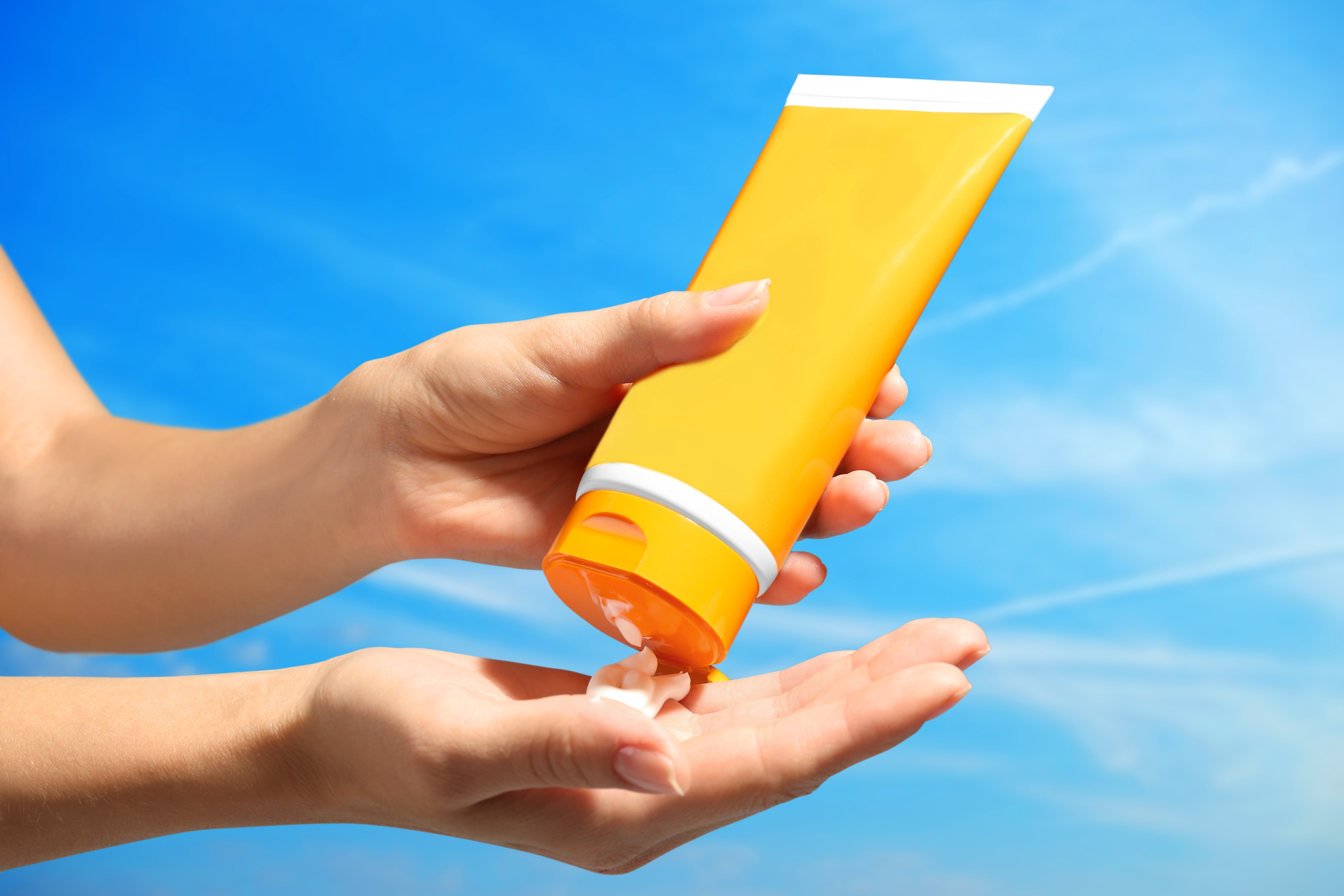
Why Sunscreen Matters
Sunscreen is the quiet hero of a polished beauty routine, defending your skin from UVA and UVB rays that can trigger premature lines, uneven tone, and dryness. UVB tends to burn, while UVA penetrates deeper, accelerating the breakdown of collagen and worsening hyperpigmentation. Daily protection does more than prevent sunburn; it supports a smoother texture, softer fine lines, and a more even glow that lets light makeup and bare skin shine. Think of sunscreen as a breathable shield that preserves the results of your serums and moisturizers. Without it, actives like vitamin C, retinoids, and AHAs are left to fend for themselves, and gains in clarity or brightness can fade. The right formula should feel invisible, comfortable, and elegant, fitting seamlessly under makeup or worn solo. With consistent use, your skin's tone looks calmer, pores appear more refined, and your natural radiance remains intact day after day, season after season.
Decoding the Label
Sunscreen labels can be confusing, but a few keywords make smart shopping easy. SPF measures UVB protection; reach for a level that suits your lifestyle and complexion needs. Broad-spectrum confirms defense against UVA, essential for minimizing photoaging and dark spots. If you swim or sweat, look for water-resistant; it helps film integrity during activity. Filters come in two families. Mineral filters, often zinc oxide and titanium dioxide, sit on the surface and reflect or scatter rays, tending to be gentle and great for sensitive skin. Chemical filters absorb UV and convert it to heat, allowing thin, elegant textures ideal for daily wear. Many modern formulas blend both for balance, comfort, and cosmetic elegance. For additional hints, some regions use extra UVA ratings like stars or plus signs. Lastly, note phrases such as non-comedogenic, fragrance-free, and dermatologist-tested if you are prone to sensitivity or breakouts. Understanding these terms turns the aisle into friendly territory.
Textures That Feel Great
Greasy sunscreen is a myth of the past. Today's formulas offer gel, fluid, serum, milk, lotion, and stick textures designed to feel weightless and look seamless. If you want a velvet finish, try matte or oil-controlling versions with blurring powders that reduce shine. For dehydrated skin, choose a hydrating gel-cream with glycerin or hyaluronic acid for soft, fresh bounce. Makeup lovers often prefer ultra-thin fluids that set quickly and resist pilling under primer or foundation. Tinted options can even tone and minimize white cast while doubling as a skin-smoothing base. Sticks are great for on-the-go touchups around the nose, over tattoos, or along the hairline, while sprays and powders help with quick reapplication for scalp and part lines. Look for non-greasy and fast-absorbing on the label, and trust your senses; the right sunscreen should disappear in seconds, feel breathable, and leave no heavy residue. Comfortable texture equals consistent use, and consistency is skin's best friend.
Find Your Skin's Best Match
Matching sunscreen to skin type and tone makes all the difference. Oily or acne-prone complexions tend to thrive with non-comedogenic, matte, or gel-based formulas that control shine without clogging pores. If your skin is dry, consider a cream or lotion with ceramides, squalane, or hyaluronic acid to cushion and smooth. Sensitive or redness-prone skin often prefers mineral filters for their gentle profile, ideally fragrance-free and alcohol-conscious. For deeper skin tones, opt for tinted or sheer mineral hybrids designed to avoid white cast while enhancing warmth and luminosity. Combination skin might use a matte formula on the T-zone and a hydrating one on cheeks, or layer a hydrating serum under a lightweight sunscreen for balanced comfort. Always patch test new products, especially around eyes and neck, where skin can be delicate. The goal is a protective veil that respects your texture, complements makeup, and preserves clarity without irritation.
Application Made Effortless
Great protection is about generous, even coverage. For the face and neck, the tried and true two-finger method helps you use a sufficient amount, and for the body, think in terms of a shot-glass volume spread generously. Apply sunscreen as the final step of skincare, before makeup, and give it a short moment to set for a smoother primer-like effect. Do not forget the ears, eyelids, hairline, back of the neck, hands, and tops of feet if exposed. Reapply regularly, especially after swimming, sweating, or towel-drying. For touchups over makeup, a powder or spray sunscreen can be helpful; mist, then gently pat to ensure even coverage, or use a sponge to press product in without smudging. Layering a tinted sunscreen under sheer foundation keeps things lightweight while enhancing tone. Consistency is key, so stash a travel-friendly option in your bag or desk to make top-ups easy, realistic, and routine.
Habits, Myths, and Longevity
A few smart habits keep your sunscreen working hard. Store it away from heat and direct sun; texture shifts or unusual smells can signal it is past its prime. Makeup with SPF is a helpful bonus but usually not enough on its own; think of it as a topcoat, not the full shield. Clouds and windows do not stop UVA, so daily use matters year-round. You can support your skin further with hats, sunglasses, and shade, but consider these extras, not substitutes. Vitamin D concerns are valid, yet you can balance safe sun habits with diet and routine checkups as needed. After a long day outdoors, soothe with aloe, panthenol, or ceramides to calm and replenish. Most importantly, choose a texture you love. The best sunscreen is the one you will actually wear, day in and day out, keeping your beauty routine effortless, protective, and glow-forward.