Torque vs RPM: Understanding What Drives a Motor
Understand how torque and RPM shape a motor's acceleration, top speed, and efficiency—and how to choose the right balance for your application.
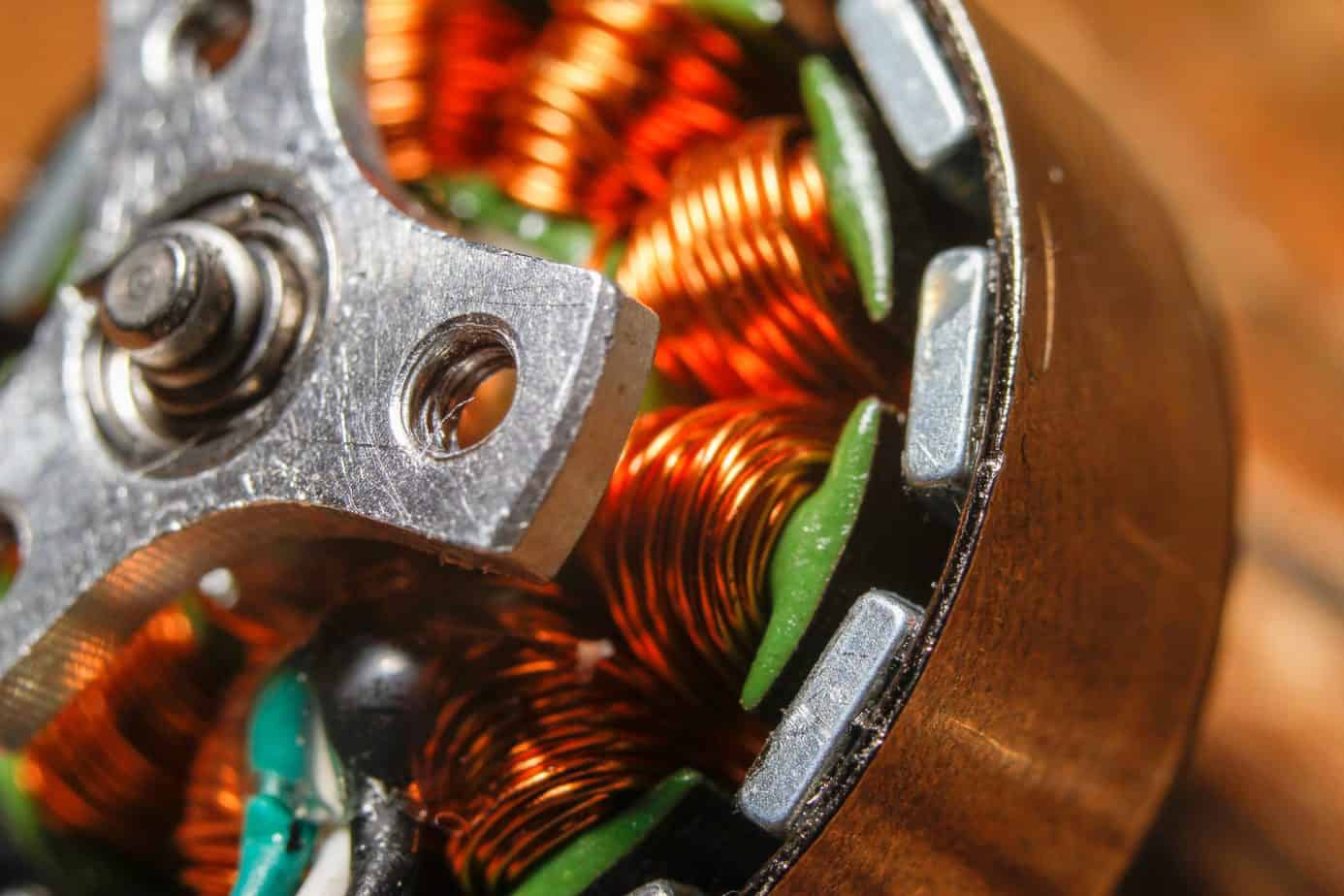
Torque and RPM, Simplified. In the world of motors, two numbers appear everywhere: torque and RPM. Torque is the twisting force a motor produces at its shaft; picture a wrench turning a bolt, where a longer handle gives more turning leverage. RPM describes how fast that shaft spins, counting revolutions in a minute. High torque without speed will feel like strong push with slow motion, while high RPM without torque is like spinning freely with little ability to move a load. What truly matters for useful work is how torque and RPM combine under a given load. Real applications demand both: enough twist to overcome resistance and sufficient speed to meet productivity or performance targets. When people compare motors, focusing on a single number can mislead. The key is understanding the interplay: torque provides turning strength, RPM provides pace, and the balance between them dictates whether a motor accelerates a mechanism, sustains motion efficiently, or struggles and overheats.
Where Torque Comes From. In electric motors, torque arises from magnetic forces between the stator and rotor. Current flowing through windings creates a magnetic field that interacts with rotor magnets or conductors, producing a rotational push. More magnetic flux, larger rotor radius, or higher current can raise torque, though each has limits tied to heating and material constraints. At low speed, many motors deliver strong stall torque, but as speed rises, back EMF opposes the supply, reducing available current and thus torque. Mechanical details matter too: airgap precision, winding configuration, and rotor design shape the torque curve, along with cogging and ripple that can cause vibration at low speeds. In internal combustion engines, torque comes from pressure on pistons acting through a crank, yet the balancing act with RPM is similar. Whatever the source, a motor's torque capability must match load inertia, friction, and peak disturbances, or the system will either slip, stall, or waste energy overcoming inefficiencies.
Power Ties Them Together. While torque and RPM can be viewed separately, a motor's power links them: power equals torque multiplied by angular speed. That means there is always a tradeoff. For a given power, increasing speed typically requires reducing torque, and boosting torque means accepting lower speed unless more power is available. Many electric drives exhibit a constant-torque region at low speeds, then transition into a constant-power region at higher speeds where torque tapers off. Understanding this map is crucial for sizing and control. Two motors with the same peak power can feel very different if one emphasizes low-speed torque and the other excels at high RPM. Also note the difference between peak and continuous rating. A motor might briefly deliver impressive torque for rapid starts, but thermal limits cap what it can sustain without damage. The right control strategy and cooling allow you to extract needed performance while respecting the real envelope defined by power and heat.
Gearing: The Great Translator. Even a perfect motor rarely meets every task alone; gearing translates the torque–RPM mix into what the load needs. A high gear ratio multiplies torque at the output while reducing speed, ideal for lifting, conveying, or crawling under heavy load. A low ratio does the opposite, supporting higher output speed with less torque, as seen in fans, spindles, or propellers. Gearboxes, belt drives, chain stages, and planetary sets let designers place the motor in its efficient operating band while the transmission provides the required mechanical advantage. This comes with tradeoffs: added inertia, backlash, noise, package size, and efficiency losses to friction and heat. Picking ratios is about the whole system, not just the motor. Properly matched gearing smooths starts, improves response, and protects against stalls, while poor choices force the motor to fight at the edges of its capability. Think of gearing as leverage that makes the same power feel smart, usable, and reliable.
Choosing the Right Motor. Smart selection starts with the load profile. Identify required torque at each speed, peak events like starts or shocks, and the duty cycle that determines heating. Consider inertia mismatches that can slow response or cause overshoot, and verify that continuous and peak ratings cover real operating demands with safety margin. Electrical supply and controller also matter: DC motors respond to PWM voltage control; AC induction units favor VFDs; brushless motors rely on ESCs with proper commutation. Cooling, mounting stiffness, and alignment affect lifespan and efficiency. If you need fine positioning, look for feedback options and low torque ripple; if you need robustness, emphasize thermal mass and protective enclosures. Finally, mind wiring gauge, connectors, and current limits, since voltage drop and resistance quietly eat performance. A well-matched motor and drive will deliver the torque you need at the RPM you want, staying cool, quiet, and dependable across real-world conditions.
Common Myths and Real-World Tips. A frequent myth is that only torque matters for acceleration and only RPM matters for speed. In reality, output performance depends on torque at the load's shaft, which is shaped by gear ratio, motor torque, and available power at that operating speed. Another myth is that high RPM is harmful by itself; it is thermal stress, bearing limits, and overspeed beyond mechanical ratings that cause failures. Practical habits help: read the torque–speed curve and verify the intersection with your duty points; avoid long stints near stall; size cooling for the worst case, not the average; and tune current limits to prevent brownouts or demagnetization in magnets. Measure what matters with a dynamometer or calibrated sensor rather than relying on no-load spin tests. Maintain lubrication and tension in transmissions, and watch for vibration that hints at misalignment. Follow these basics and the torque–RPM balance will work for you, not against you.